
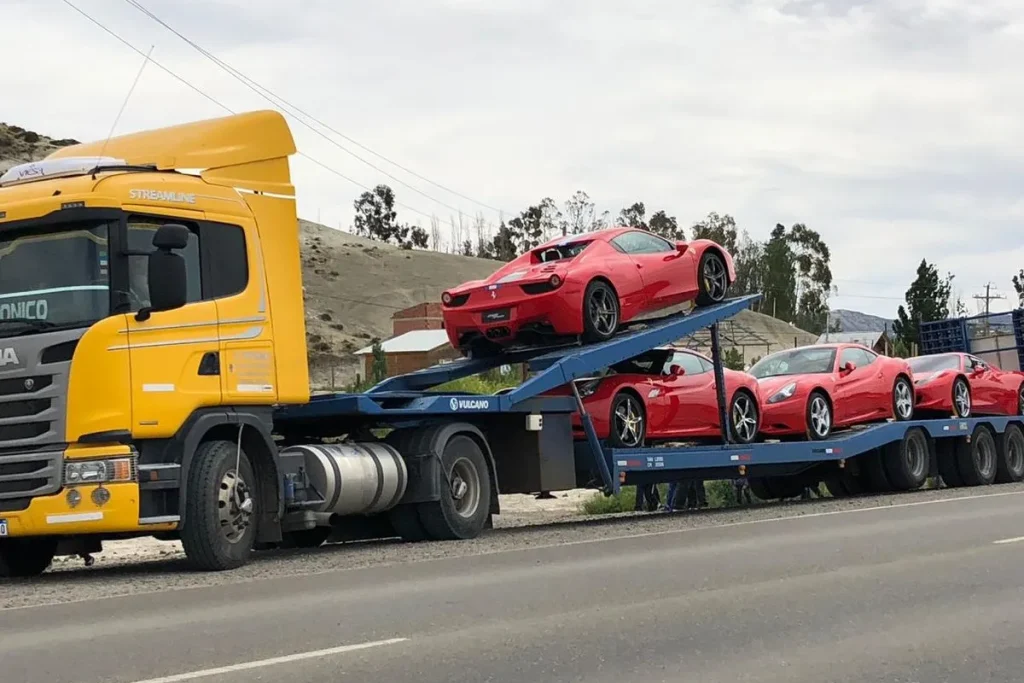
# How to Prepare Your Car for State-to-State Auto Transport
Moving a vehicle from one state to another requires planning, but proper preparation can make the process more straightforward. Whether you are relocating from Texas, purchasing a car from another state, or arranging transportation for a family member, understanding what to do before pickup can help prevent unnecessary complications.
TransveX Vehicle Transport provides vehicle shipping options for customers exploring state-to-state transportation from San Antonio, TX, and other routes.
## 1. Confirm Your Shipping Details
Before pickup, confirm the transportation agreement and make sure the vehicle information is correct.
Review the pickup and delivery addresses, selected transport method, agreed price, pickup window, estimated delivery time, payment terms, and cancellation conditions.
Ask who will transport the vehicle and what arrangements apply if the original carrier or schedule changes. Confirm whether your quote is binding or subject to adjustment under specified conditions.
## 2. Clean Your Vehicle
Wash your vehicle’s exterior before pickup. A clean surface makes it easier to identify scratches, dents, paint marks, and other existing damage during the inspection.
You do not necessarily need a professional detailing service. A basic wash and a clear view of the vehicle’s exterior are usually sufficient for documentation.
## 3. Photograph Existing Damage
Take dated photographs of the vehicle from the front, rear, both sides, and several angles. Photograph existing scratches, dents, cracked lights, and other visible issues.
Keep these images until the vehicle has been delivered and inspected. They can help you compare the condition at pickup and delivery.
## 4. Remove Personal Belongings
Remove luggage, electronics, documents, valuables, and other personal belongings from the vehicle.
Transport carriers may restrict personal items because of weight limits, safety requirements, and insurance exclusions. Ask your carrier about any permitted items rather than assuming personal belongings are covered.
Remove toll tags and detachable accessories when appropriate, and secure loose components according to the carrier’s instructions.
## 5. Check the Vehicle’s Condition
Inform the carrier if the vehicle has mechanical issues, leaking fluids, a weak battery, damaged tires, or other conditions that could affect loading.
Most ordinary shipments require a vehicle that can be safely driven onto and off the carrier. Inoperable vehicles may need special equipment and can cost more to transport.
Check tire pressure and battery condition as appropriate. Follow the carrier’s instructions for fuel level and vehicle preparation.
## 6. Understand the Inspection Report
At pickup, the driver generally inspects the vehicle and records its condition on a vehicle inspection report or bill of lading.
Review the document carefully before signing. Make sure visible damage is recorded and retain a copy of the paperwork.
At delivery, inspect the vehicle in good lighting if possible. Compare its condition with the original report and photographs. Record any new damage on the delivery documentation before signing when feasible, and notify the carrier promptly.
## 7. Plan for Pickup and Delivery
Choose locations where the carrier can safely stop, maneuver, load, and unload the vehicle. Large transport trucks may not be able to enter narrow streets, restricted residential communities, or locations with low clearance.
If direct access is not possible, arrange an accessible nearby meeting point with the carrier.
Keep your phone available during the agreed pickup and delivery windows. Make sure an authorized person can release or receive the vehicle if you cannot attend in person.
## 8. Review Insurance and Payment Terms
Before booking, ask for written information about the carrier’s cargo insurance, applicable limits, deductibles, and exclusions. Confirm how claims are submitted and what documentation is required.
Do not assume that every type of damage or personal belonging is covered. Verify the actual policy and contractual terms.
Also confirm the payment schedule, accepted payment methods, deposit conditions, and any fees that may apply if the schedule or transportation details change.
## 9. Allow Reasonable Transit Time
State-to-state transport times depend on distance, route, weather, traffic, carrier scheduling, pickup delays, and delivery access.
Ask for a realistic delivery window and plan your move around the estimate. Avoid making inflexible arrangements that depend on an unconfirmed arrival time.
## Choose TransveX Vehicle Transport
TransveX Vehicle Transport offers open car transport, enclosed car transport, door-to-door auto transport, and state-to-state vehicle shipping options.
By preparing your vehicle, reviewing your agreement, and documenting its condition, you can approach the shipping process with greater confidence.
For a quote, call (726) 263-0538 or email [info@transvexvehicletransport.us](mailto:info@transvexvehicletransport.us). Share your vehicle details, route, and preferred dates to discuss the available transportation options.